
Responsible & Safe Ecotourism Initiative

responsible ecotourism
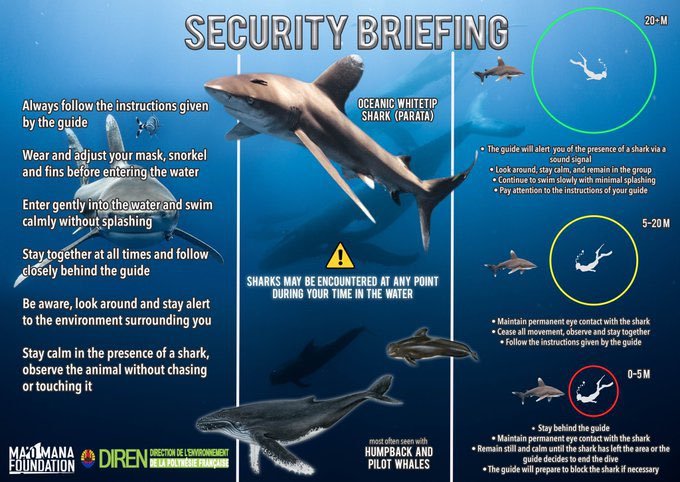
As ocean wildlife tourism continues to grow, so does the number of people entering the water alongside marine species—making responsible, culturally grounded, and science-based practices more important than ever. For ecotourism operators, the highest priority is ensuring that wildlife is treated with respect, that human presence minimizes ecological disturbance, and that potential risks—both to animals and people—are proactively mitigated. This responsibility includes educating visitors about sharks, their ecological importance, their profound role in Tahitian culture, and the need to shift public perception of these often misunderstood apex predators.
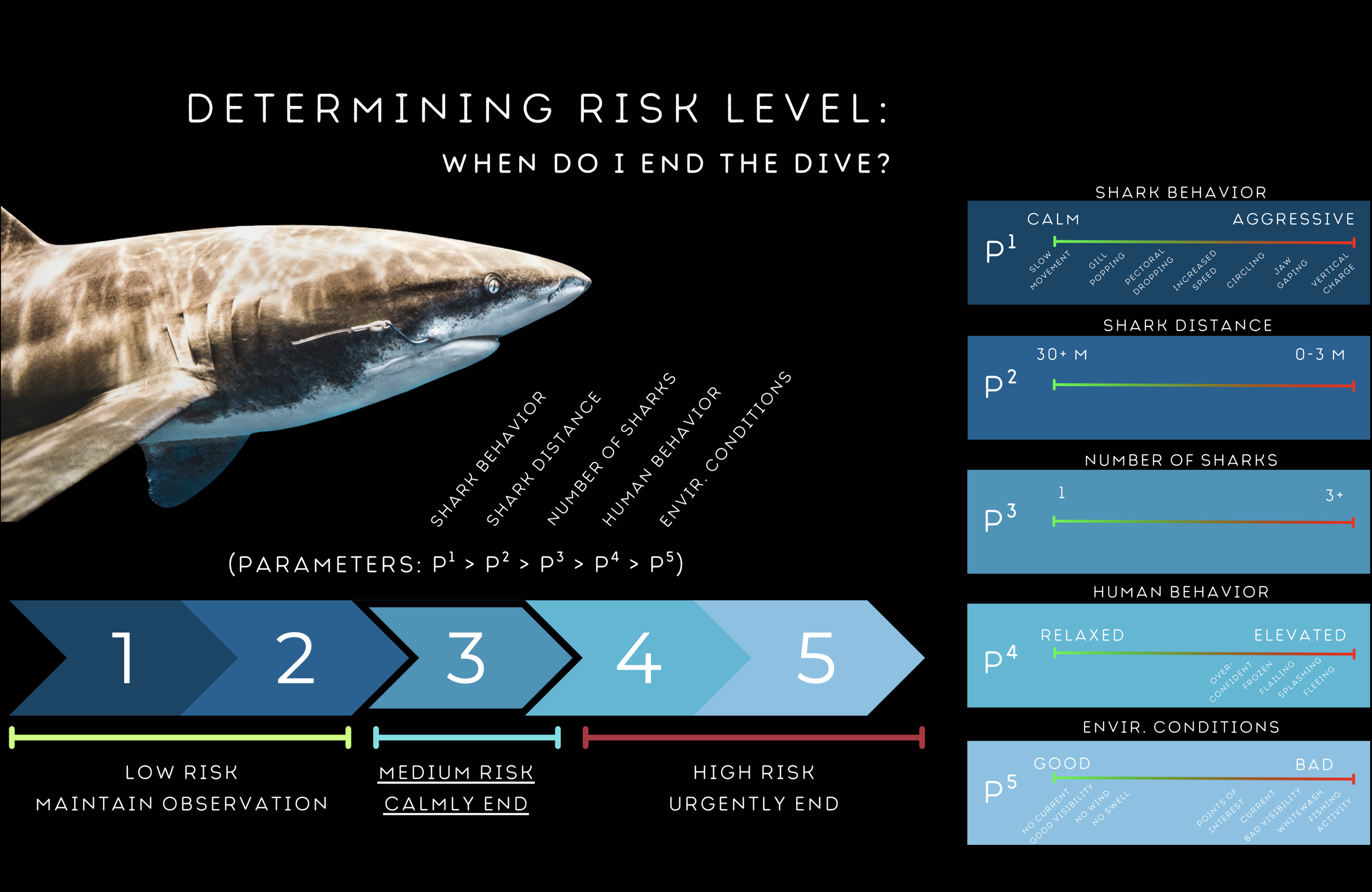
To achieve this, all operators placing guests in the water with sharks—or even bringing guests into shark habitats unintentionally—must have a strong understanding of shark behavior and be trained in clear, evidence-based safety protocols. Our program provides comprehensive training focused on ethical wildlife conduct, the educational value of each tour, operational safety, animal welfare, ecological sustainability, and active participation in research and conservation initiatives. In partnership with local emergency service professionals, we also deliver specialized trauma-response training to ensure guides are fully prepared to respond effectively in the rare event of a shark-related incident, reinforcing a culture of safety, respect, and stewardship across the tourism community.
Our mission extends beyond promoting responsible ecotourism—we aim to foster a unified community of operators who are collectively dedicated to safeguarding the sharks of French Polynesia. By building shared standards, shared knowledge, and shared responsibility, we strengthen both conservation outcomes and the safety of everyone on the water.
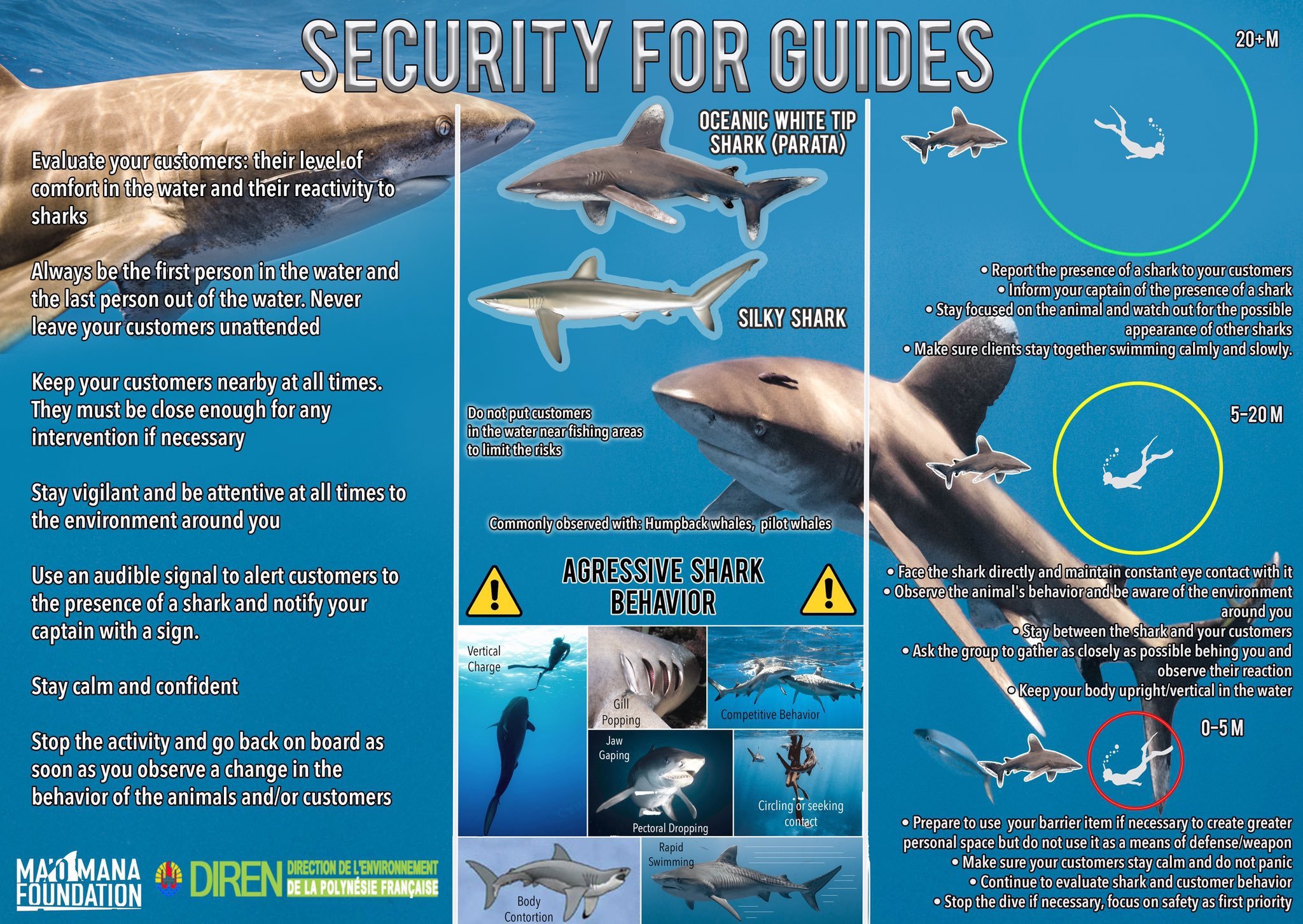
A core component of this effort comes through DIREN-partnered seminars held before each whale season, along with mandatory certification training for local guides on shark behavior, preventative guest management, and trauma response for shark encounters that may occur during pelagic whale tours. To support ongoing best practices, every vessel operating in offshore waters is equipped with bilingual (French and English) safety guideline pamphlets designed to reinforce these principles and ensure that all clients receive thorough, accurate briefings grounded in science, cultural respect, and proactive safety.
hands on training for local operators
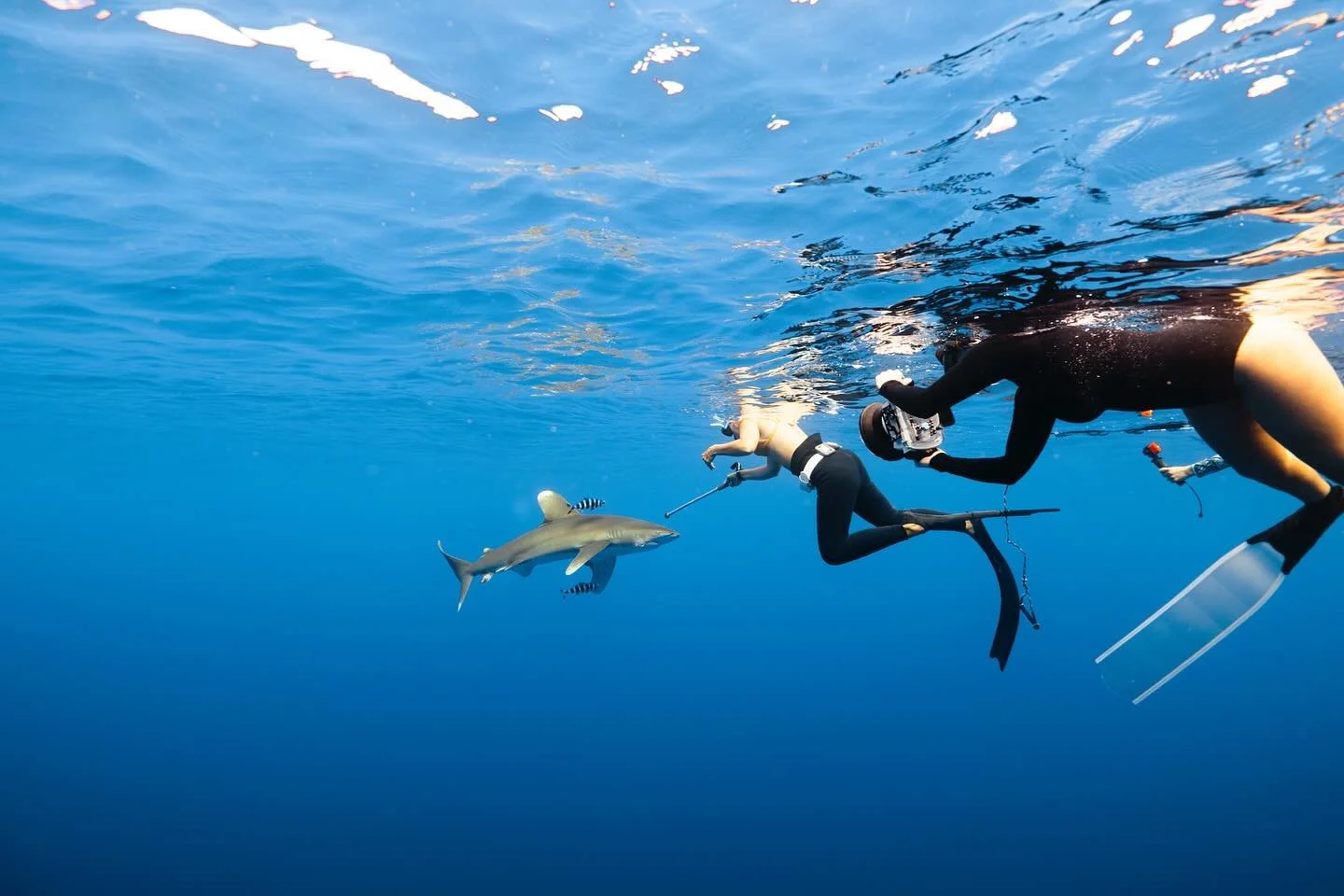
Before the start of each whale season, we provide several weeks of free, hands-on training for all local guides and captains, expanding upon the foundational preventative-safety seminars. This in-field program allows participants to work directly with oceanic whitetip sharks in a semi-controlled environment, ensuring that their first real encounter does not occur while they are alone with clients. By experiencing these interactions under guided supervision, operators gain a deeper understanding of their own reactions, comfort levels, and behavioral limits—critical components of safe decision-making on the water. This immersive exposure not only strengthens individual confidence and situational awareness but also builds a stronger, more resilient community of professionals equipped to manage shark encounters responsibly and respectfully.
We are incredibly proud of how the community has come together to train, share knowledge, and support one another throughout the whale season. Guides, captains, and operators actively communicate shark presence and behavior in real time, creating a safer and more informed environment for both people and wildlife. This collective commitment reflects a deep respect for the ocean and a shared dedication to protecting the sharks that are so integral to Polynesia’s cultural and ecological heritage.