
PROJECT PARATA
Studying the critically endangered oceanic whitetip shark, Carcharhinus longimanus, in French Poylnesia.

photo identification
Using high-resolution imagery to identify individual oceanic whitetip sharks—through features such as the facial countershading line, dorsal ridge morphology, white pigmentation patterns, and any distinctive scars or markings—provides a powerful non-invasive tool for understanding this species at a population level. A long-term photo-identification catalogue not only helps establish a regional baseline of how many individuals move through French Polynesian waters, but also enables us to track growth, document pregnancies, assess sex ratios, monitor wound healing and survival, and detect behavioral shifts over time. Because oceanic whitetips are frequently observed traveling with pilot whales and other pelagic species, repeated sightings of known individuals also contribute to broader ecological insights on species associations and migratory connectivity.
To strengthen this collaborative effort, we invite all ecotourism operators and ocean-goers across French Polynesia to share any photographs or video footage of oceanic whitetip encounters. Each submission becomes a valuable data point contributing to a more complete understanding—and better protection—of this globally threatened species.
Under partnership with the DIREN, we introduce the first study of oceanic whitetip shark ecology in french polynesia.
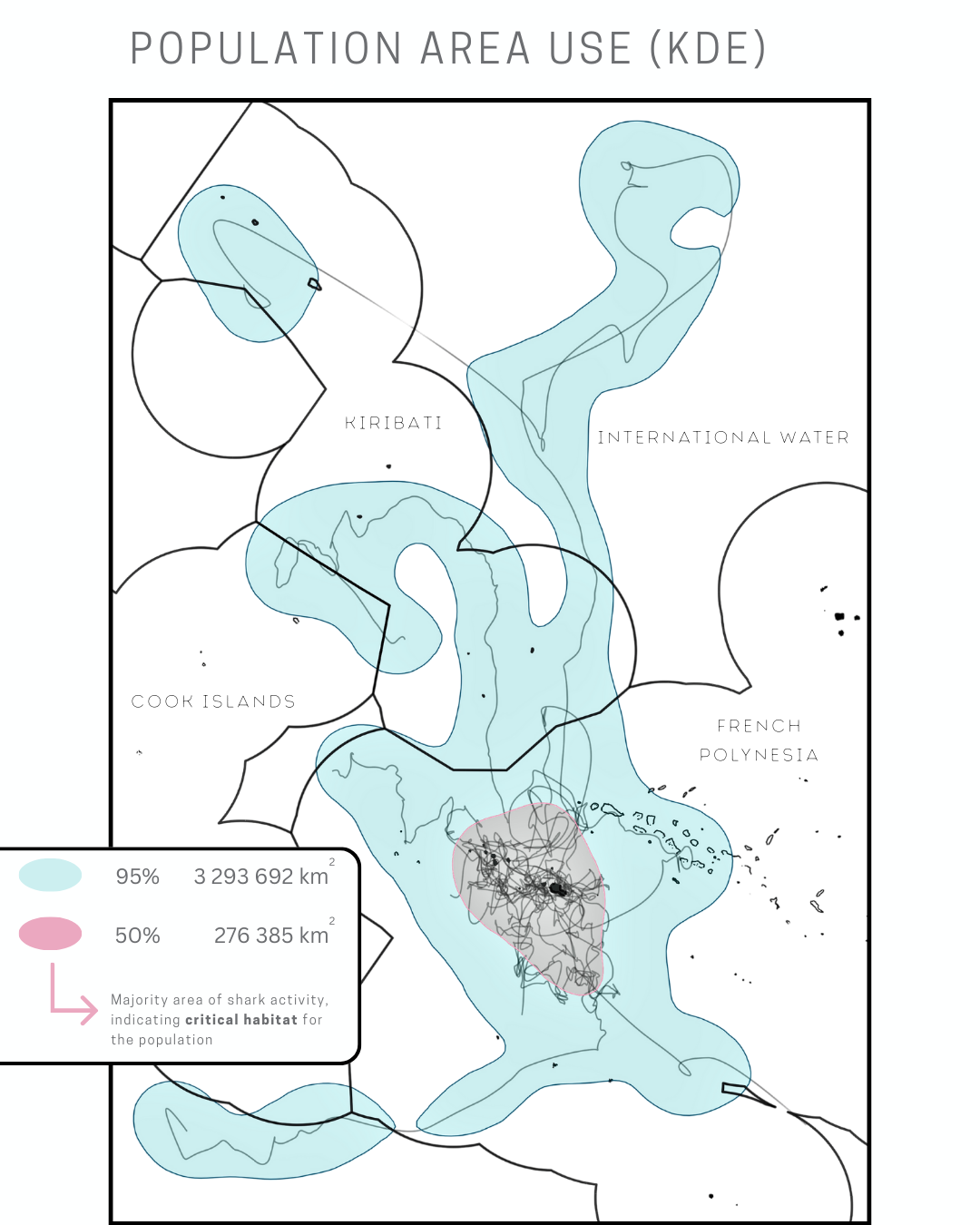
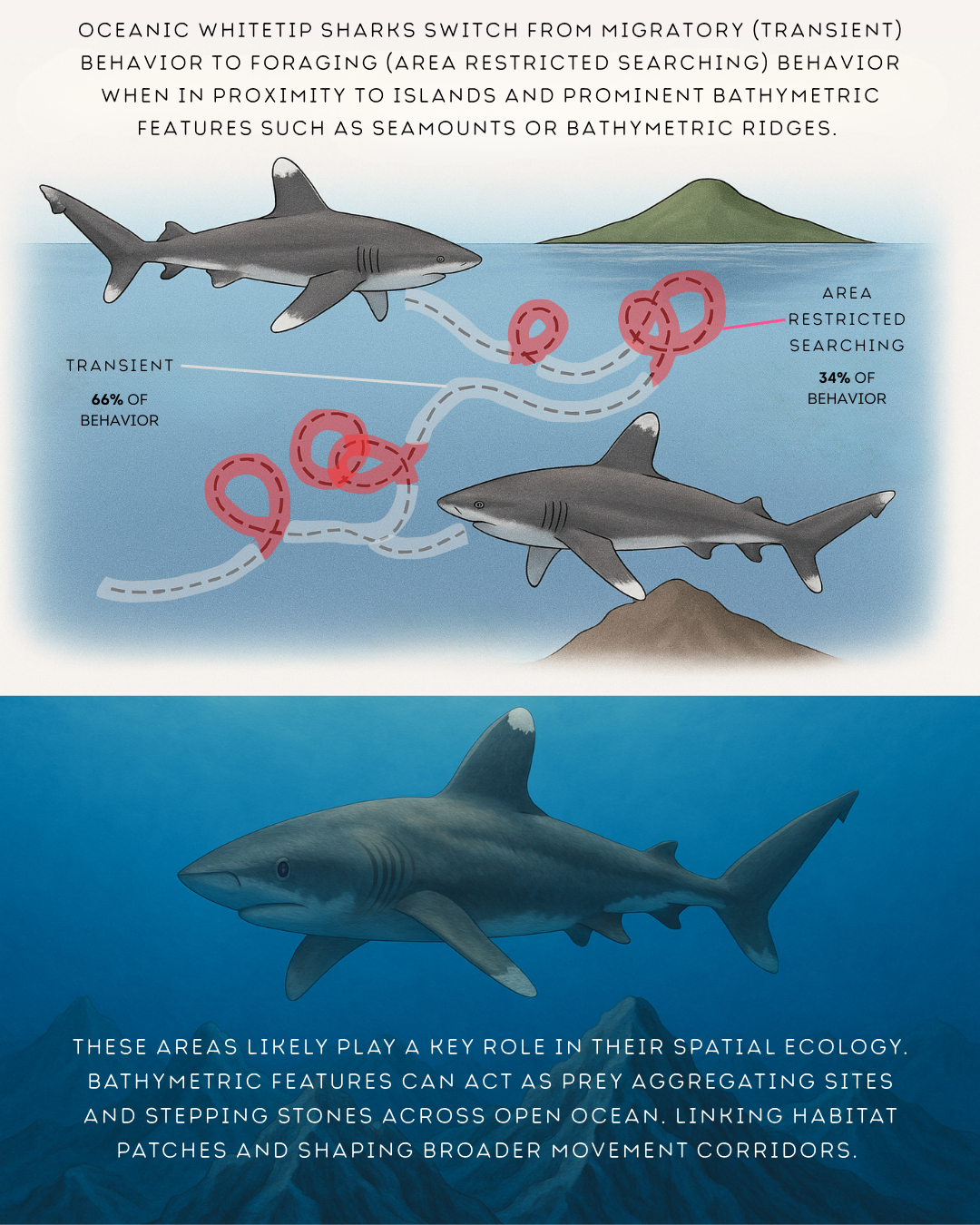
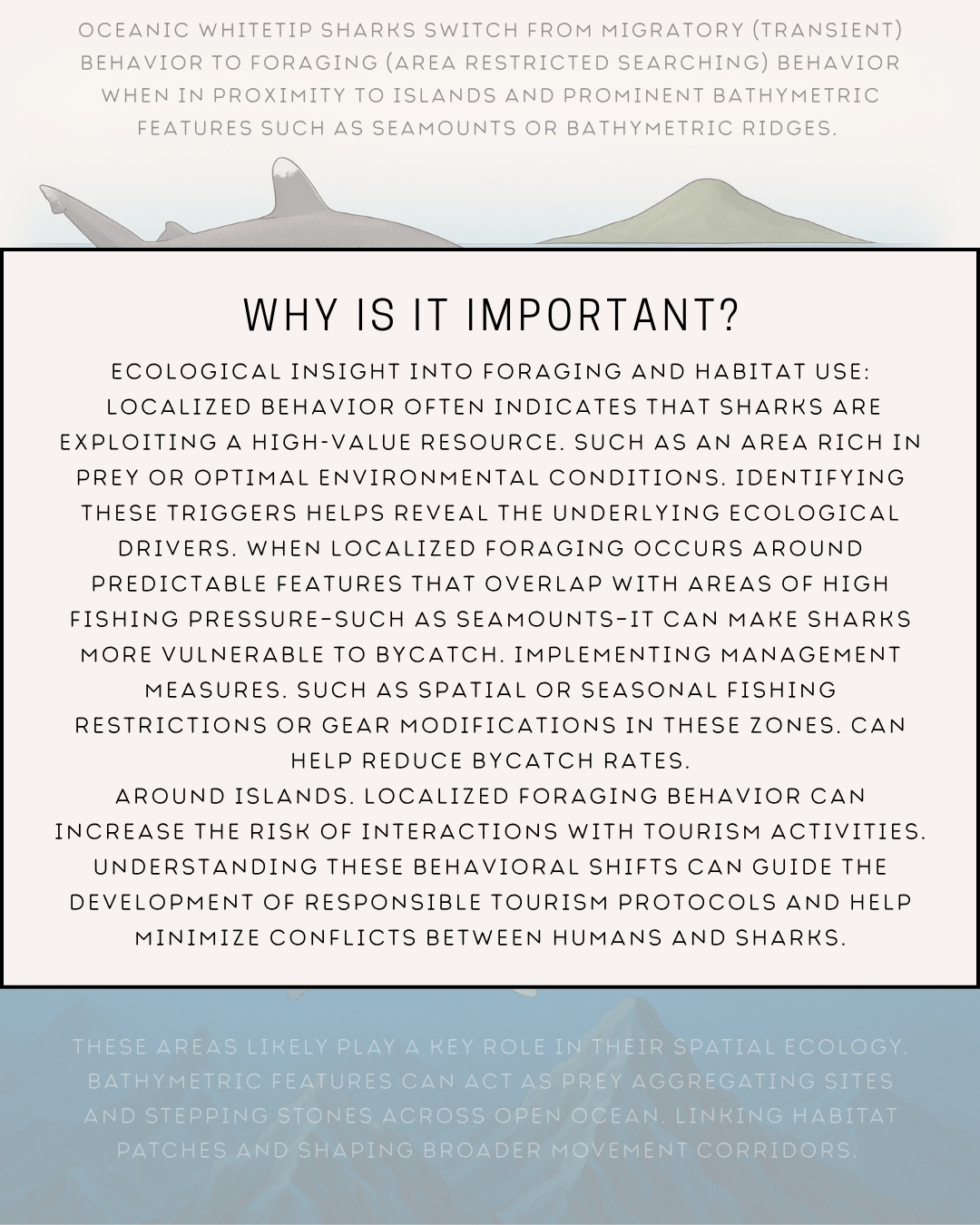
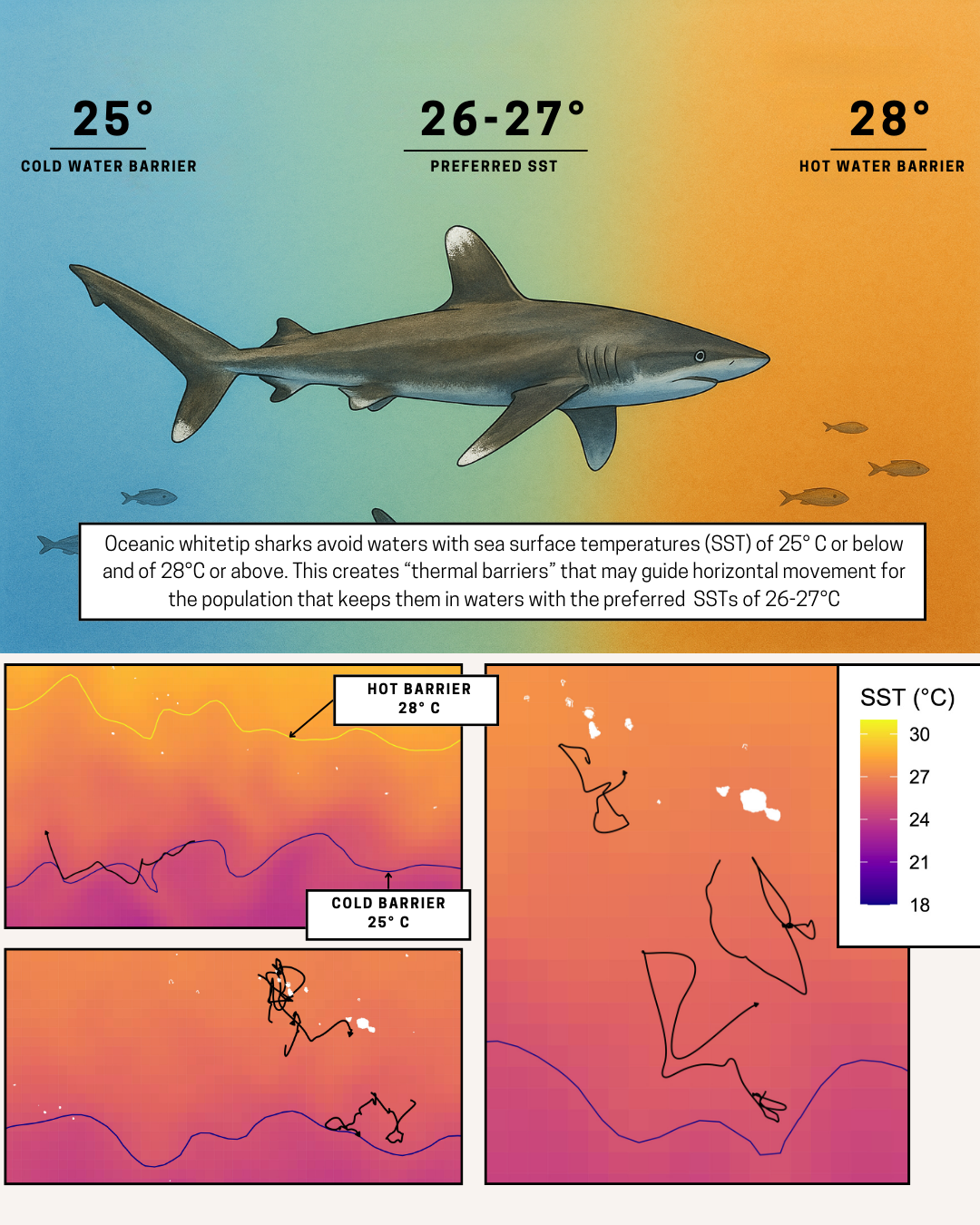
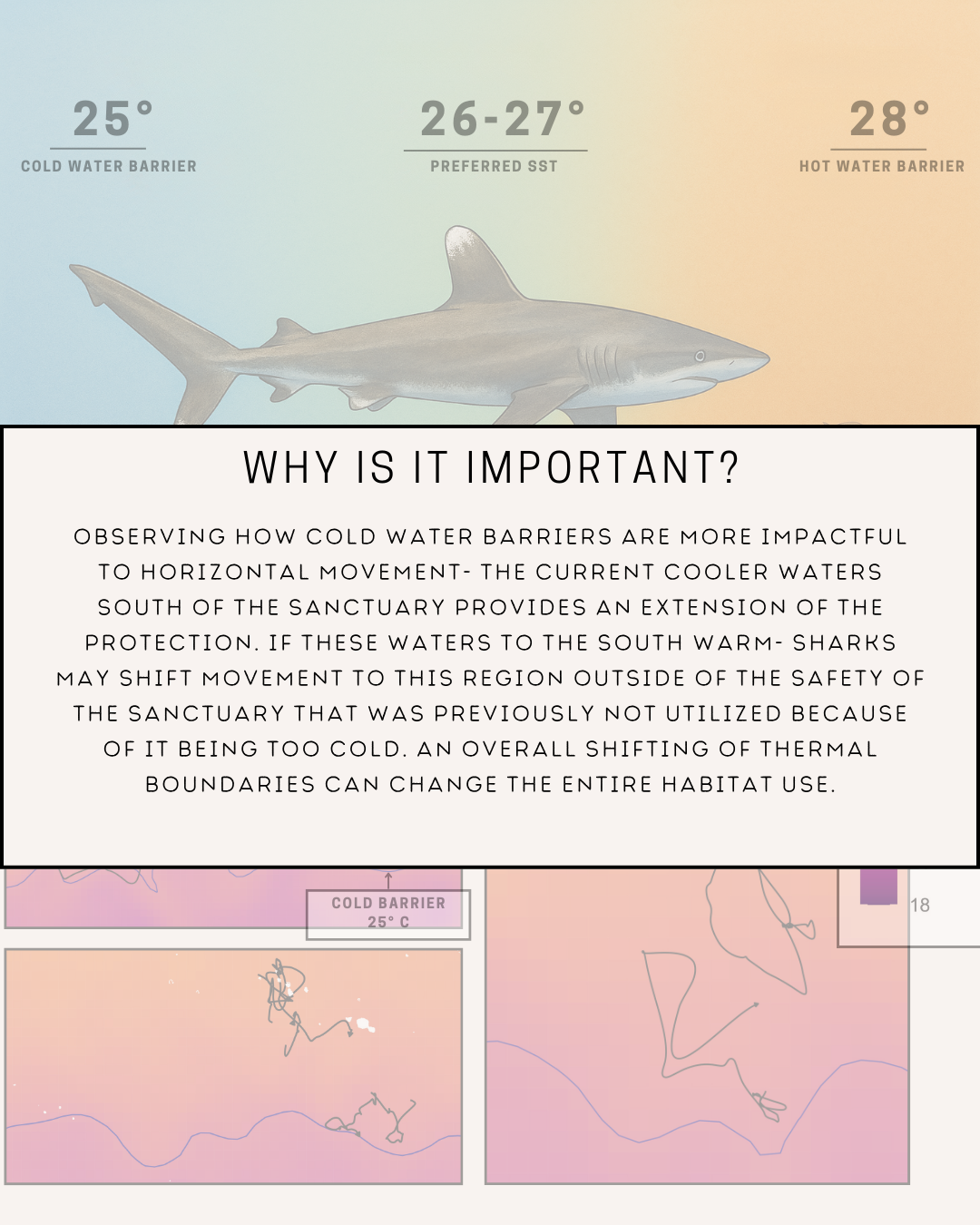
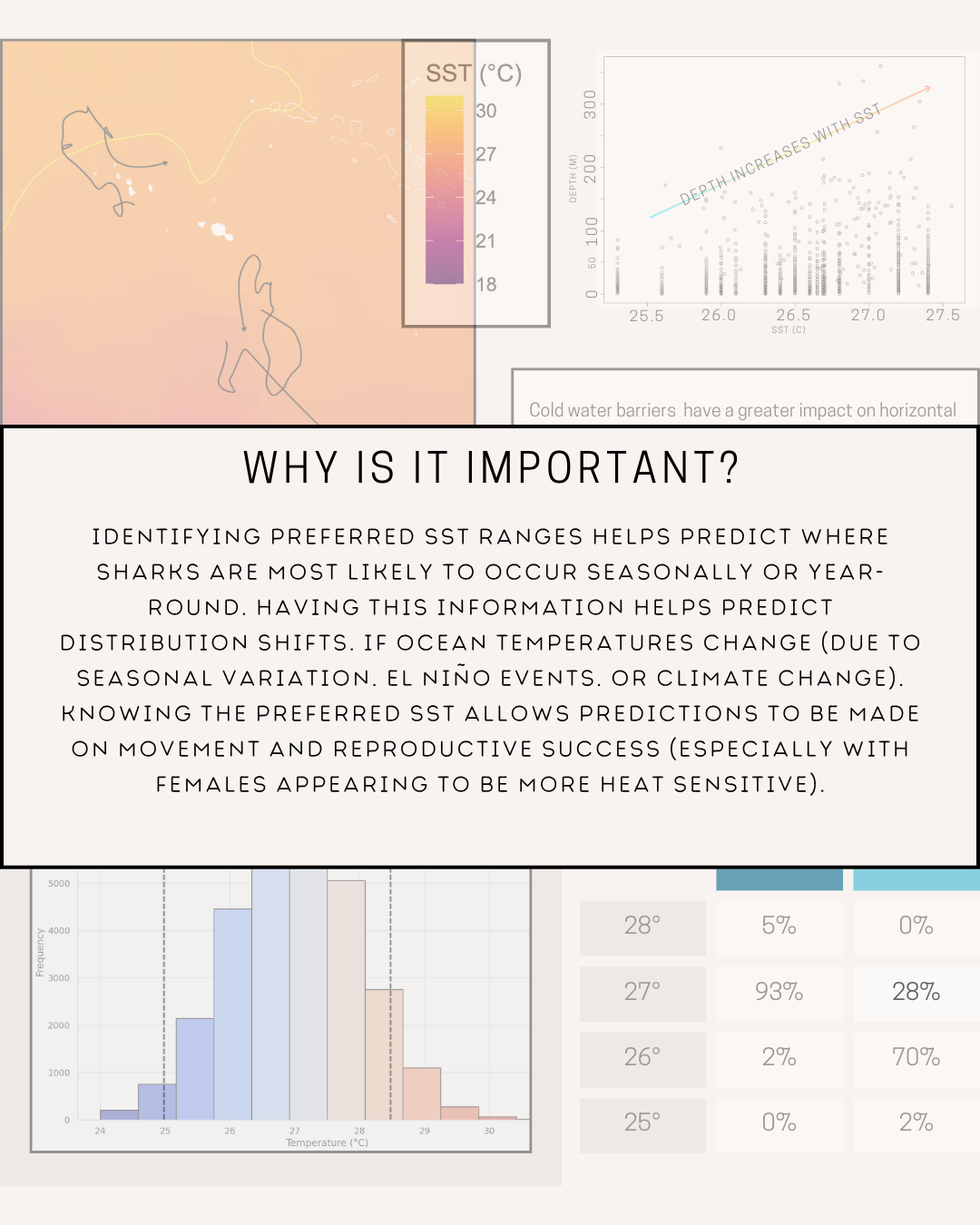
The Parata Project represents the first comprehensive ecological study of the oceanic whitetip shark (Carcharhinus longimanus) in French Polynesia, combining satellite telemetry, behavioral modeling, and community-driven observations to reveal the movement patterns, habitat use, and conservation needs of this critically endangered species. The study uncovers both broad-scale migrations across to neighboring nations and strong seasonal fidelity to the Society Islands. Detailed analyses—including horizontal and vertical movement, KDE habitat mapping, dynamic Brownian bridge models, thermal preferences, and behavioral state shifts—highlight how oceanic whitetips rely on predictable structures such as seamounts, island slopes, and upwelling zones for feeding and navigation. The report also reveals how thermal “barriers” shape migratory corridors.
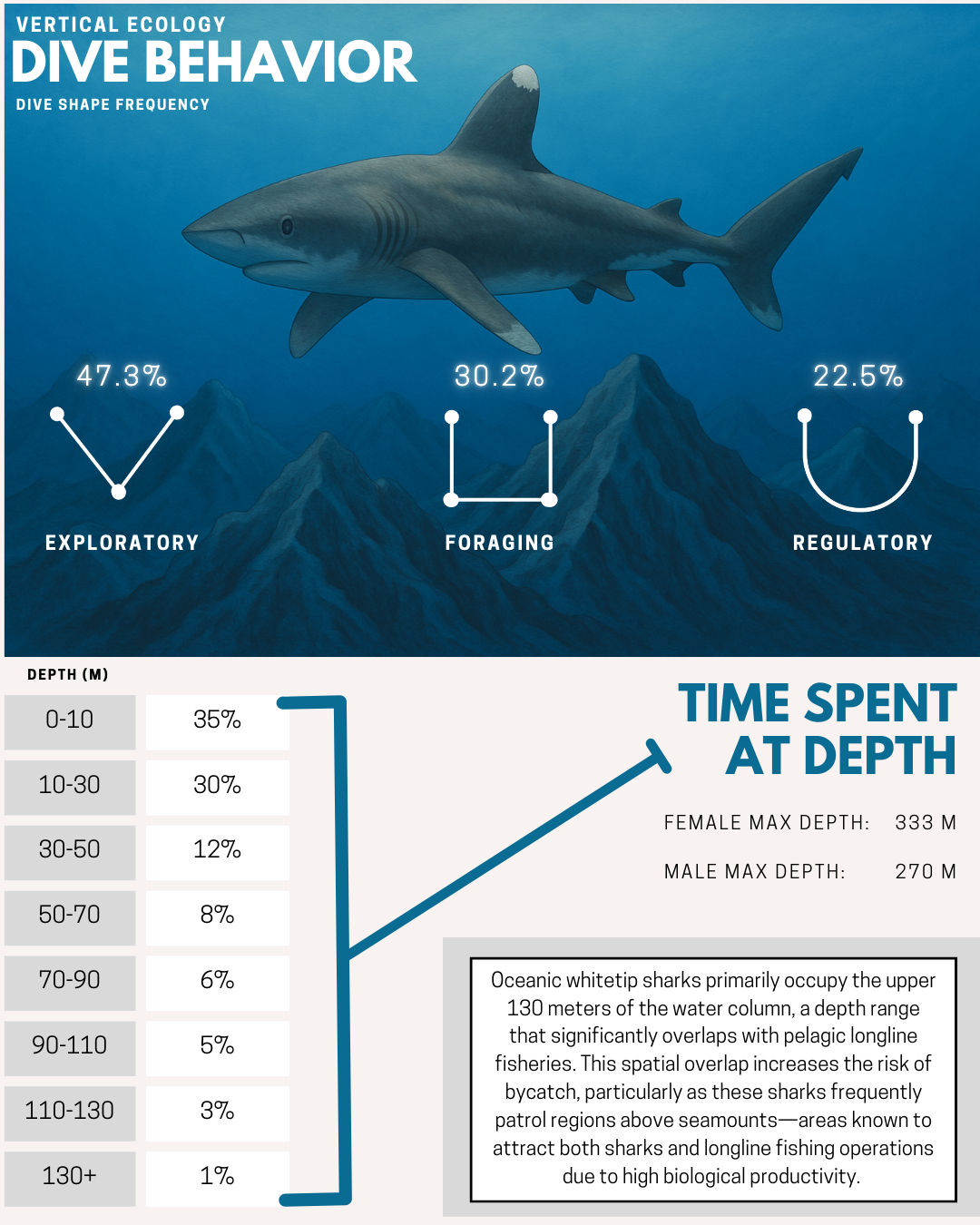
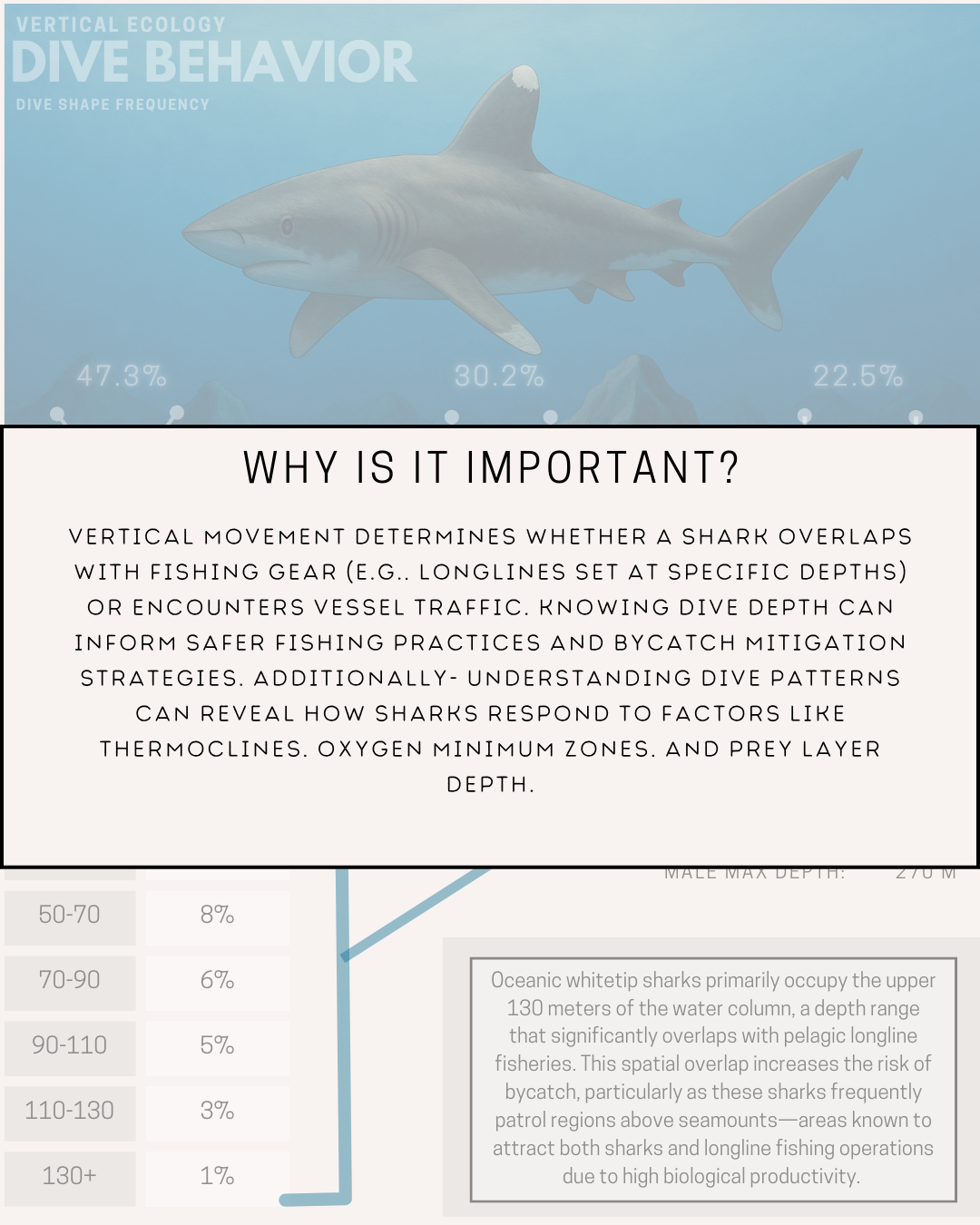
Beyond ecological insights, the Project outlines key conservation concerns and community-based solutions essential for ensuring long-term coexistence between sharks, marine industries, and tourism. The findings show that oceanic whitetips spend most of their time in the upper 130 meters of the water column—exactly where pelagic longline fisheries operate—making them highly vulnerable to bycatch. Rising ocean temperatures may shift their preferred habitat into less protected international waters, and increasing shark-tourism overlap during whale season raises human–shark interaction risks.

All research carried out under the Mao Mana Foundation research permit issued by the DIREN for handling of a category B protected species within the marine sanctuary of French Polynesia:
RESULTS SUMMARY

CULTURAL INCLUSIVITY
Respecting cultural sensitivities is essential when conducting research on species that hold deep ancestral significance, as is the case with sharks in Tahitian culture. Known as taura, sharks are revered as protective ancestral spirits and appear throughout Polynesian legends as guardians, guides, and symbols of strength, identity, and connection to place. Because of this profound cultural importance, any scientific work involving these species must be approached in true partnership with the communities to whom they belong. For the Parata Project, this meant ensuring that locals—not external researchers—formed the core of the field team. Their cultural knowledge, lived experience, and generational ties to these sharks shaped every stage of the project. It has been a profound source of pride and honor to witness these team members build a modern scientific connection to their cultural heritage, adding new layers of understanding atop an already powerful foundation. In recognition of their essential contributions, all local team members are listed as co-authors on the resulting publication, underscoring that meaningful research in Indigenous spaces must be done with the community, not simply about it.
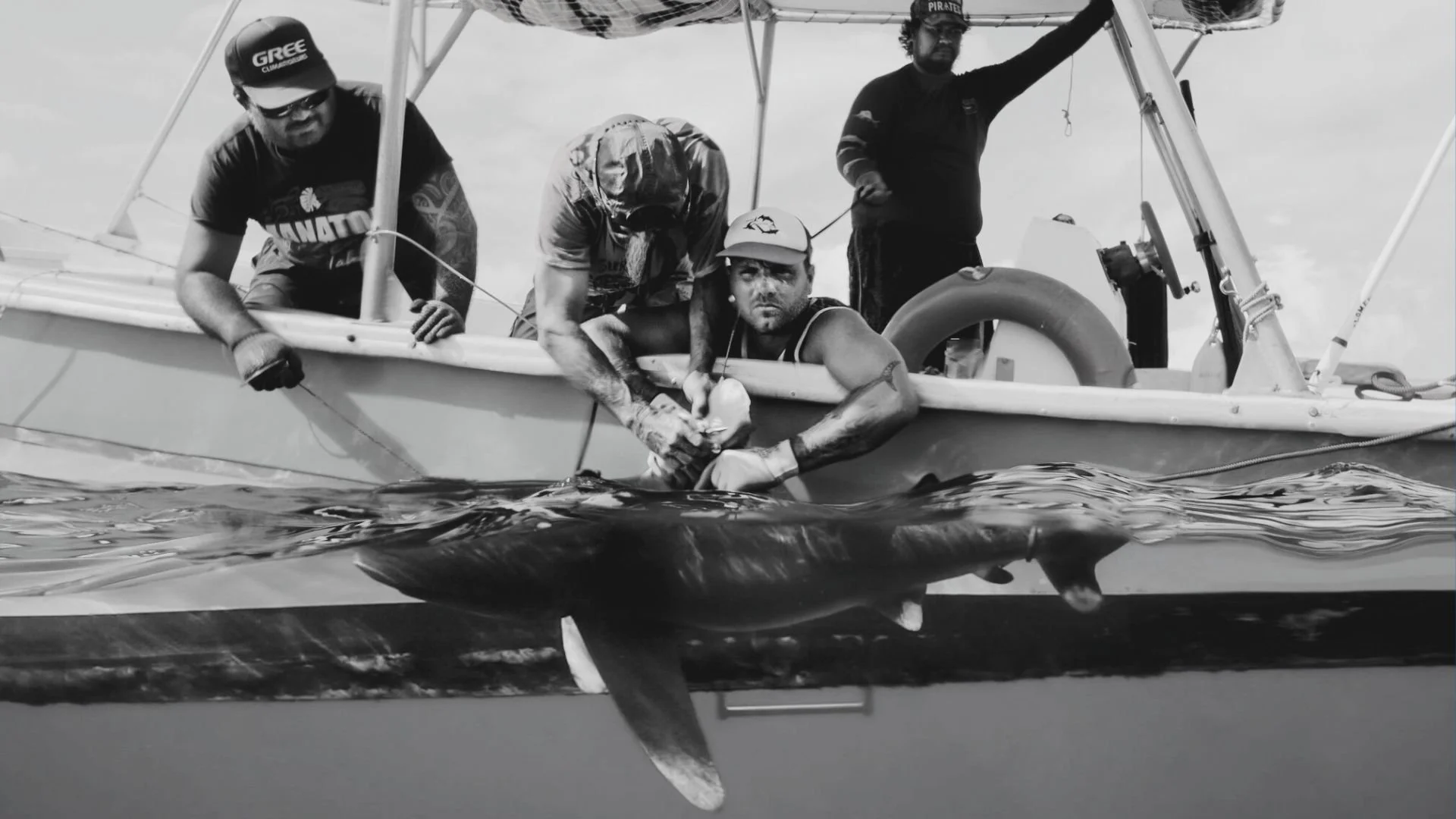
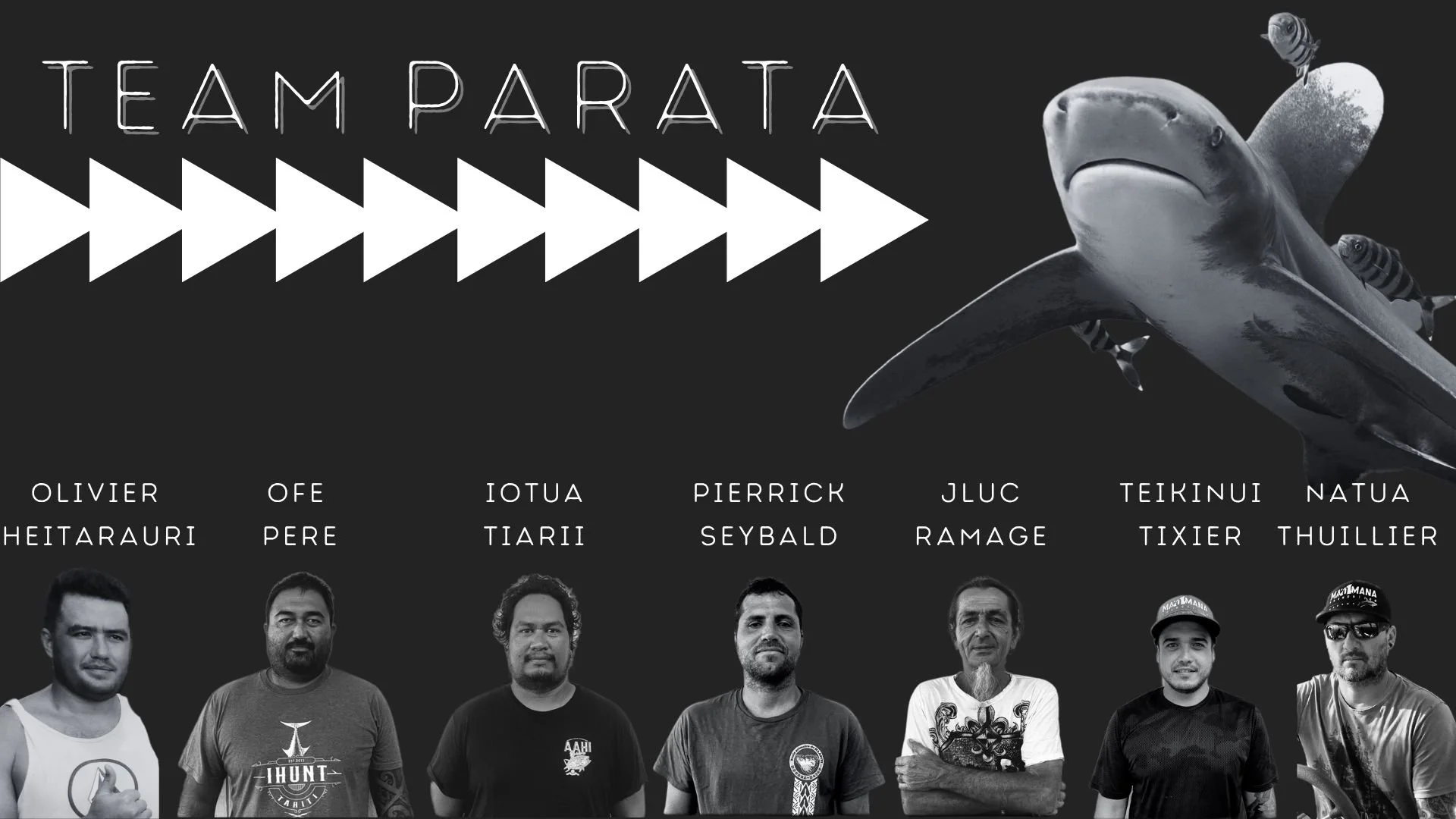
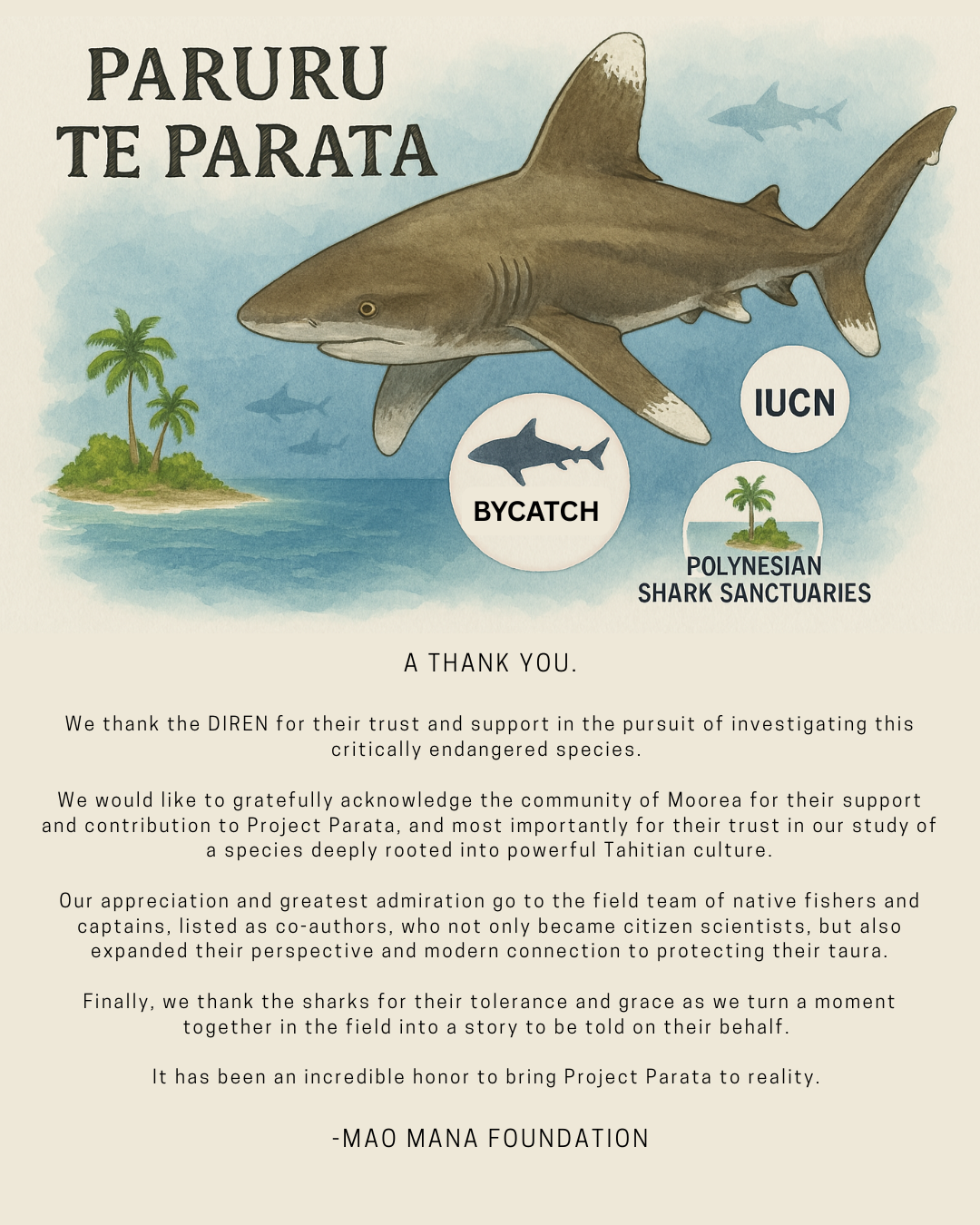
We deeply thank our team, our government, and our community for their support in Project Parata. Mauruuruu.